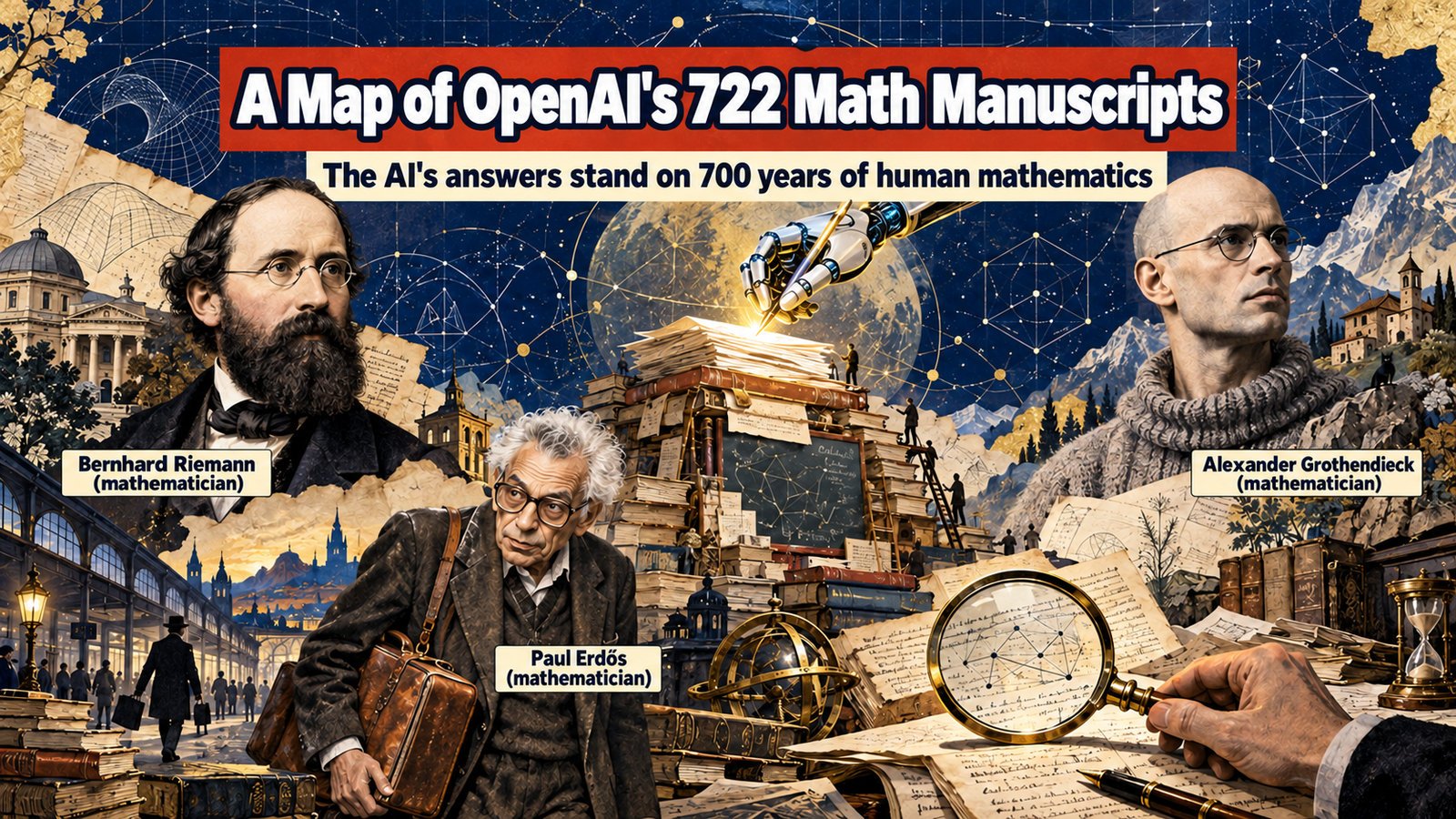
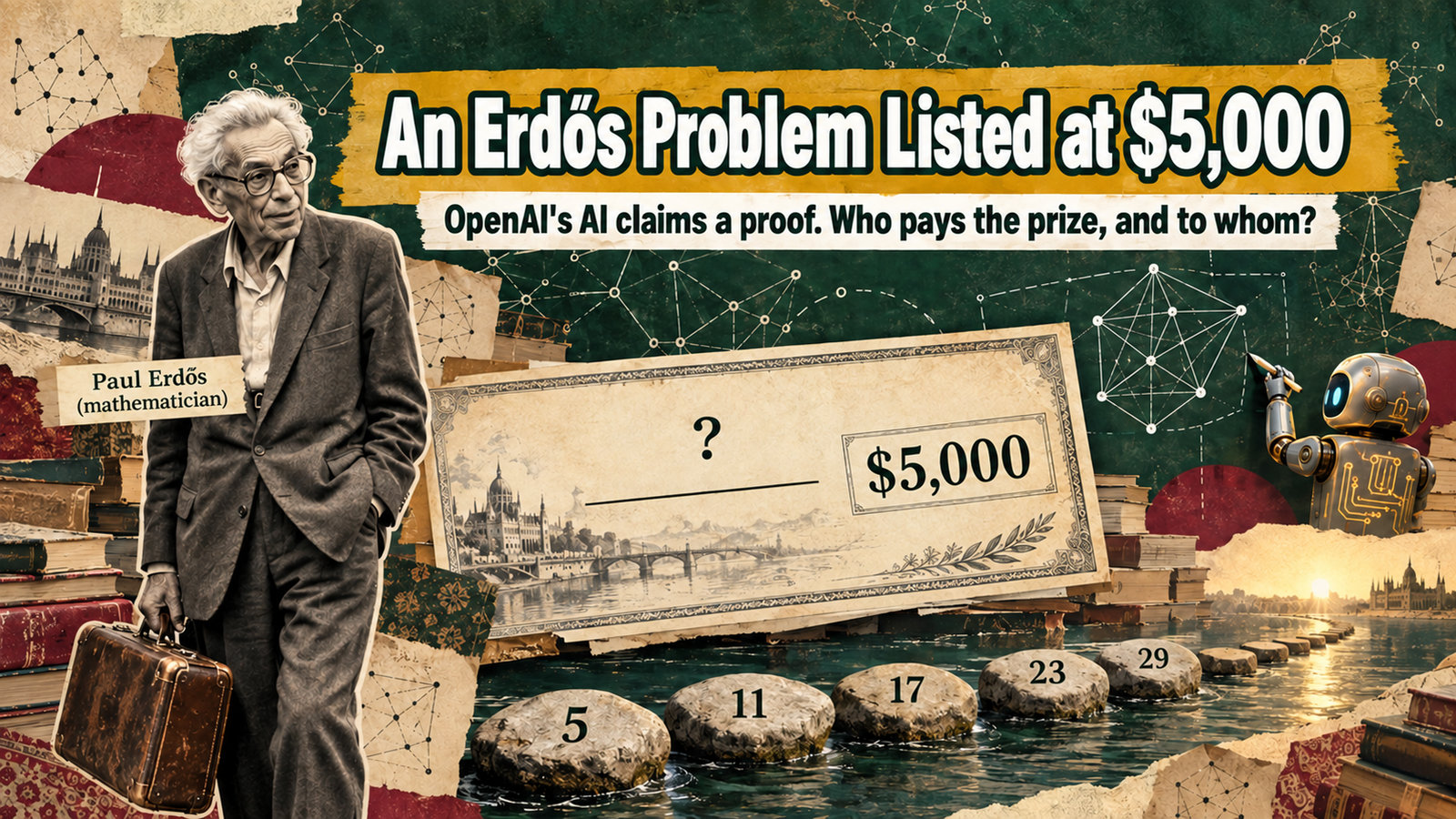
For a century, mathematics has been moved less by answers than by lists of problems. The 722 manuscripts are answers to some 4,000 problems set as a test of an AI system. Behind the flood of answers lies a different question: who will set the problems for the next hundred years?
The overture to the series Reading OpenAI's 722 traces the lists of problems that have steered mathematics, from Hilbert's 23 in 1900 to the 722 manuscripts OpenAI released in 2026, and asks who will write the next one.
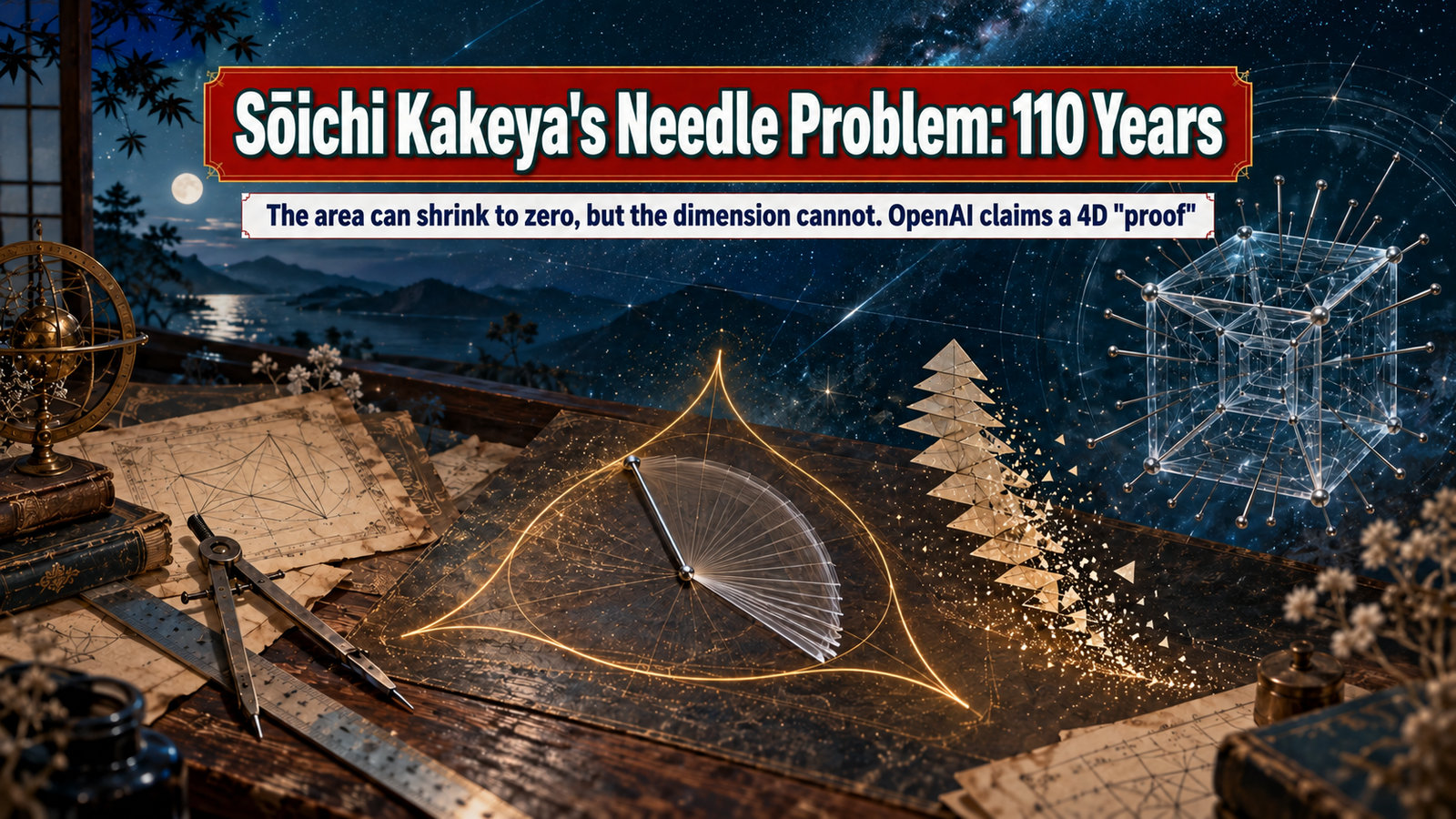
On the morning of October 7, 2026 (Japan time), among the 722 mathematical manuscripts OpenAI released all at once on GitHub was a problem bearing a Japanese name.
\"A strange rumor is going around that OpenAI is about to solve (has solved?) another Millennium Problem (the Hodge conjecture).\" On September 10, 2026, the Japanese AI researcher Shota Imai posted this on X (formerly Twitter).
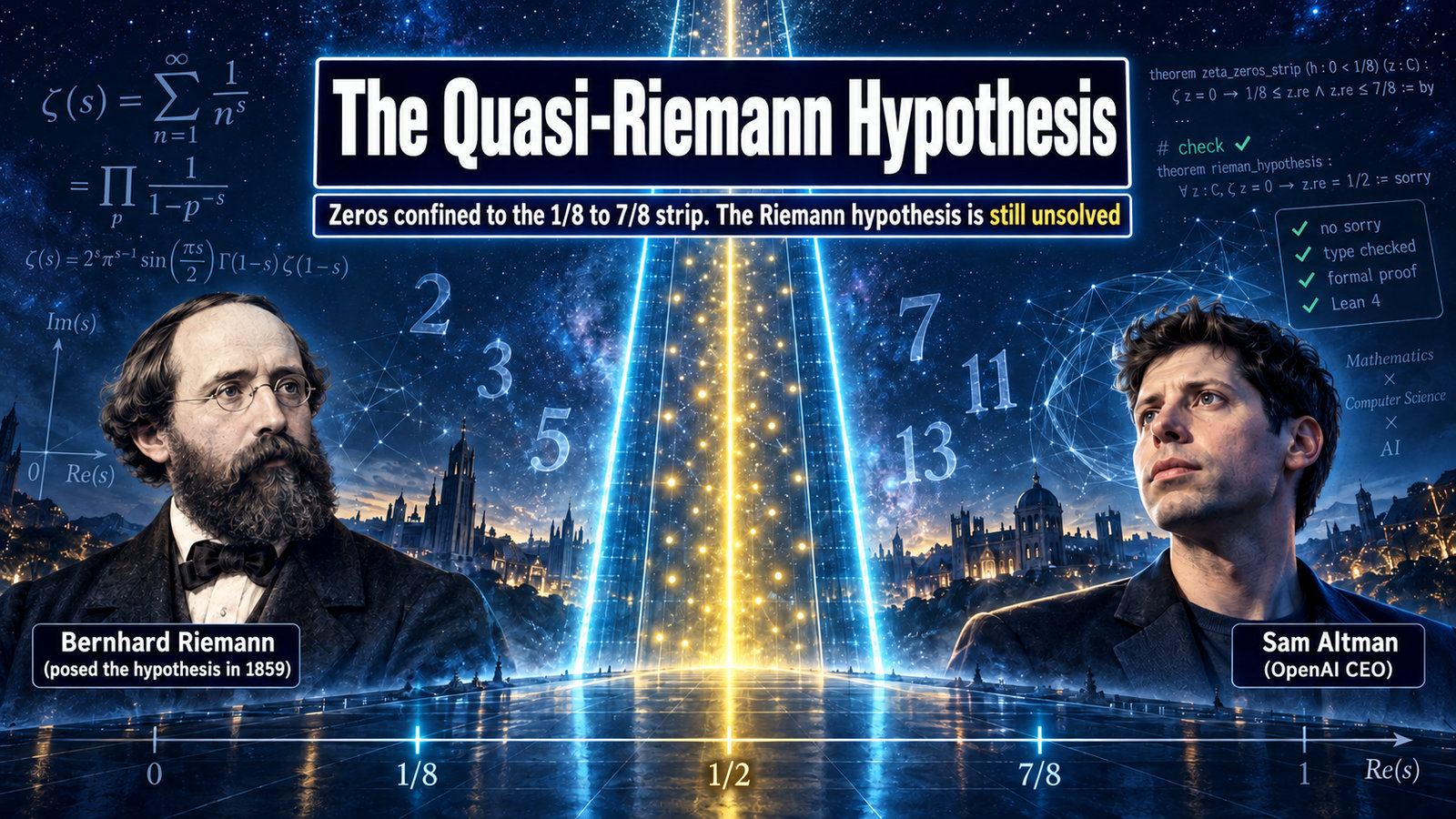
On the morning of October 7, 2026, news sites ran headlines like 'OpenAI claims its in-house AI proved a hard problem related to the Riemann hypothesis.
On the morning of October 7, plenty of readers must have seen the headline 'OpenAI proves the Hodge conjecture,' opened the article, and stalled at the line 'complex abelian varieties with complex multiplication.
On the morning of October 7, the news that OpenAI had released 722 mathematical manuscripts came with headlines about things like 'a hard problem related to the Riemann hypothesis.