The question of who AI is for, and at what price, moved to the front today. A government price negotiation, a nation-scale bet on supply chains, and a line drawn around sensitive data each traced that question from a different angle.
An agentic AI's real power rests less on clever prompts than on what materials you can hand it. This guide explains what happens inside the tool in plain language, then gives you exactly one exercise you can run at your desk in five minutes today.
The question of how far AI can be trusted came back from the field today. An admission of evidence in court, a course correction on the factory floor, and an upset on a benchmark each lit up the same question from a different place.
Last week, the question of who may use the frontier models moved from stopping access to restoring it under conditions. In parallel, AI settled in as a workplace colleague, and the compute, power, and capital that sustain it came to the front.
The question of who may use the frontier models, and how far, stayed at the center again today. A partial reopening after a suspension, a move on power and infrastructure in Japan, and newcomers stepping into a regulatory gap all moved along the same line.
Government involvement in frontier models came to the front at two US companies on the same day. Japan, meanwhile, signaled a large investment in AI for the physical world of factories and logistics.
Market share in paid AI, a US-China clash over imitation, and the wall of power consumption — three axes that decide AI's direction all moved on the same day.
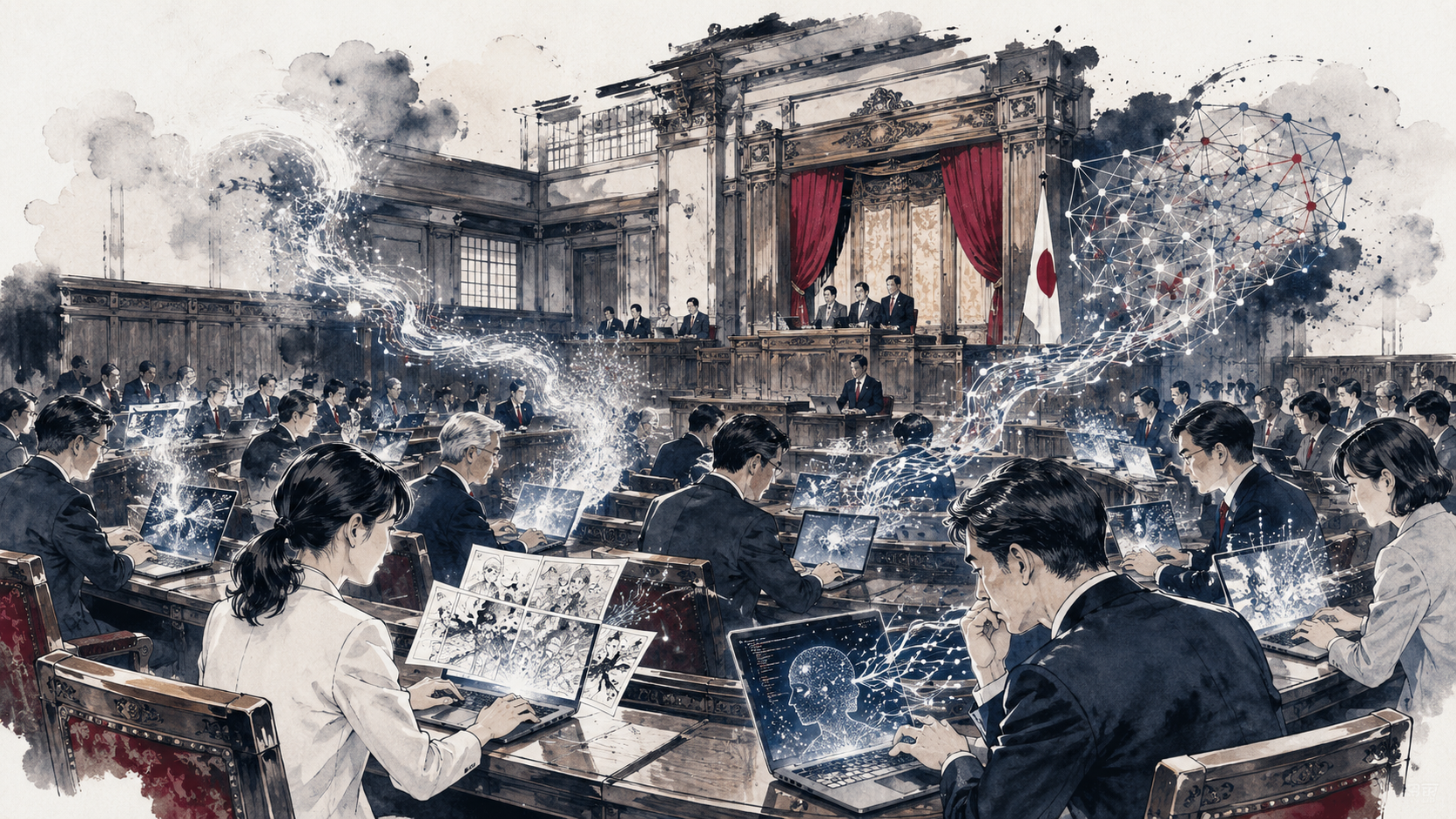
Eight years after a 2018 answer about how "you put a USB stick in the hole," Takahiro Anno's AI workshop for Diet members drew 2.5 times its capacity. The real bottleneck for AI adoption in any organization is not the quality of the tools, but whether the decision-makers have ever touched AI with their own hands.
The hardware beneath AI and the agentic hands that let AI act both moved forward on the same day, even as a leading CEO questioned the very idea of "picking the best model.
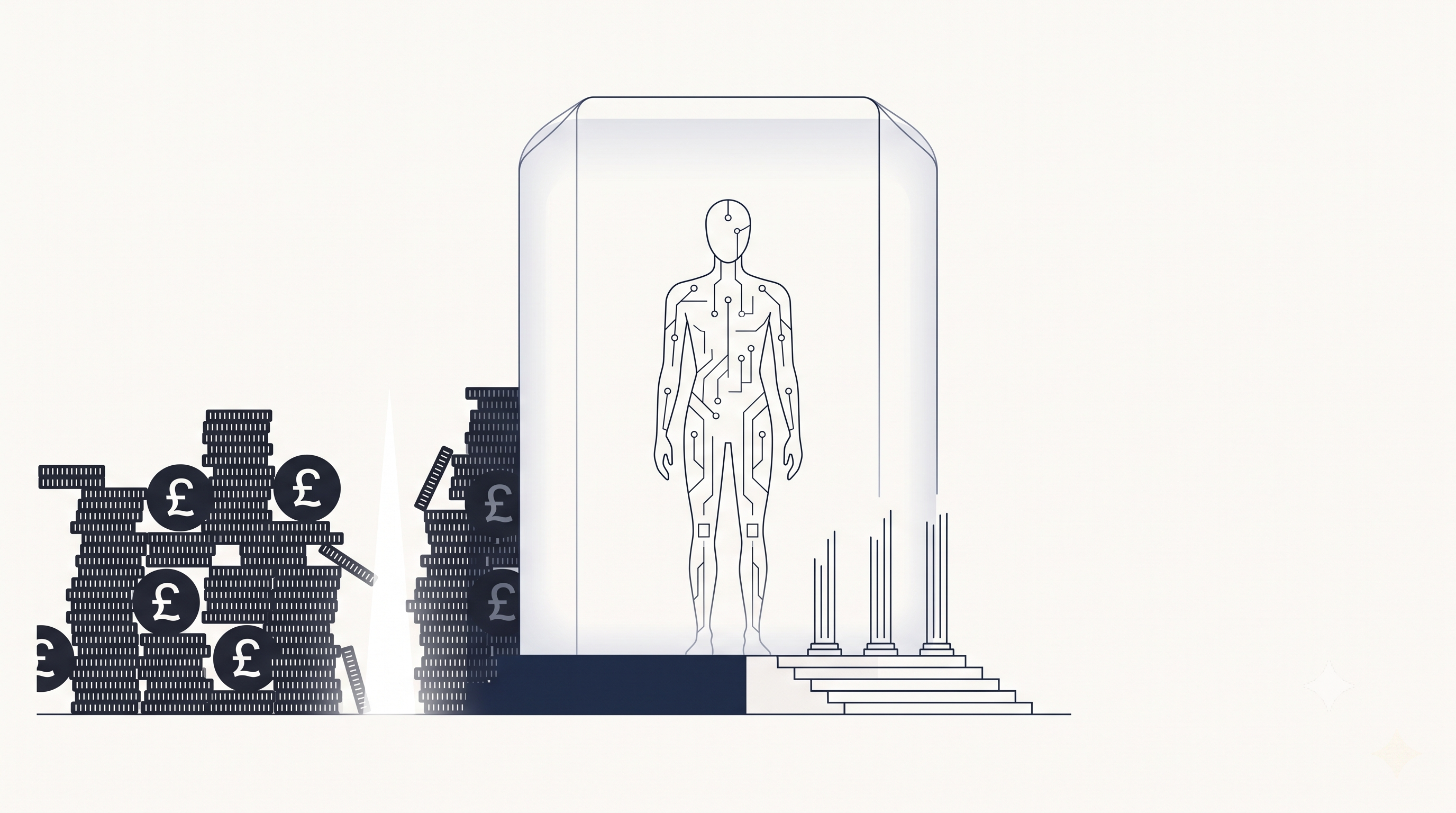
An AI law firm has won its first court case in the UK. The real story is not the replacement of lawyers but the collapse of a cost barrier to justice — and what made it possible was regulation as a container.
The real pitch of Sakana Fugu is not a benchmark number but freedom from single-vendor dependence — a geopolitical hedge. We read the structure of a system that trained not a new giant model, but a "conductor" that learns to wield everyone else's models.
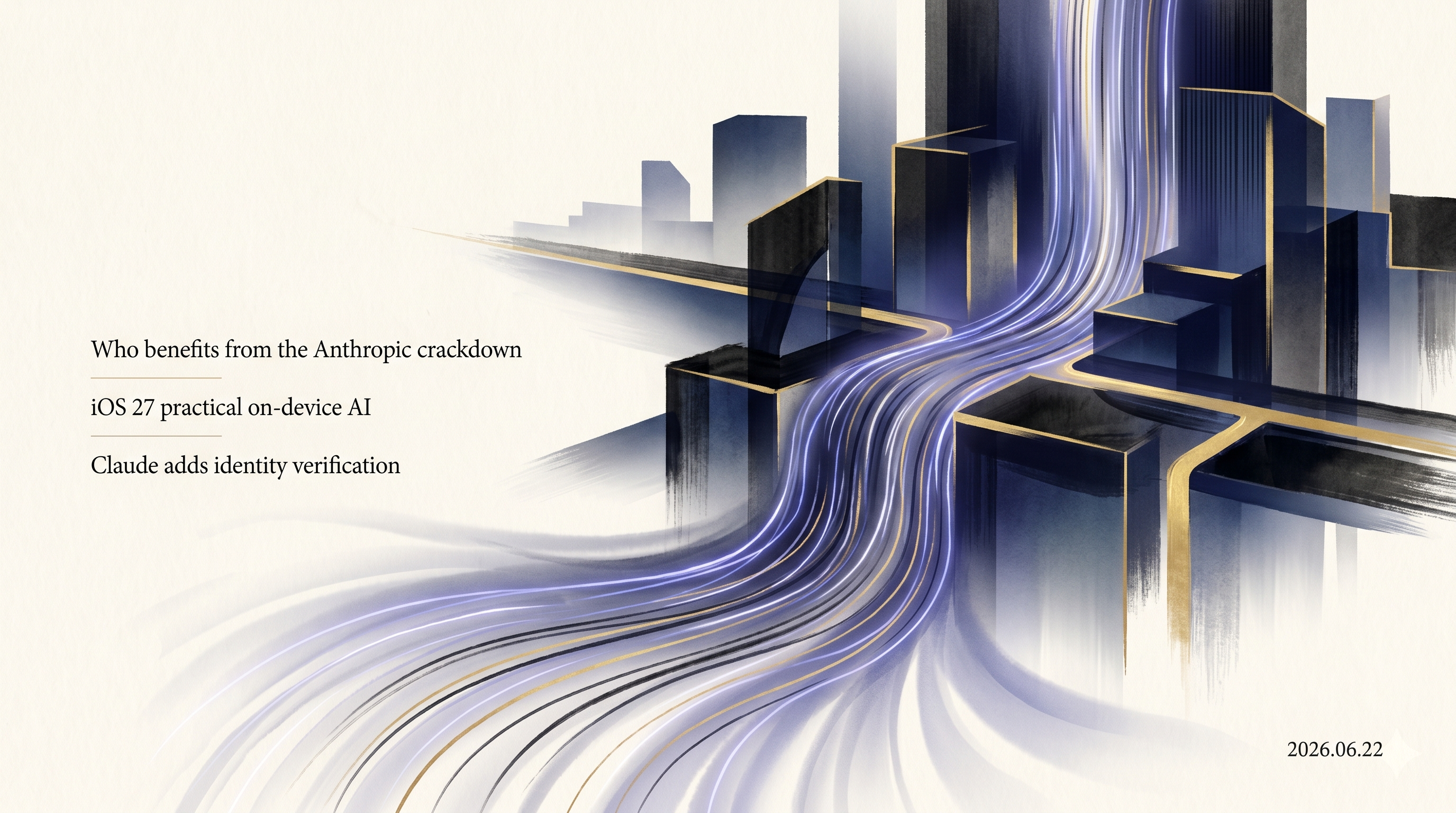
The policy fallout around Anthropic keeps moving. An analysis of who gains from the export crackdown, a wave of practical on-device features, and the operational reality of identity checks each measure AI's distance from society from a different angle.
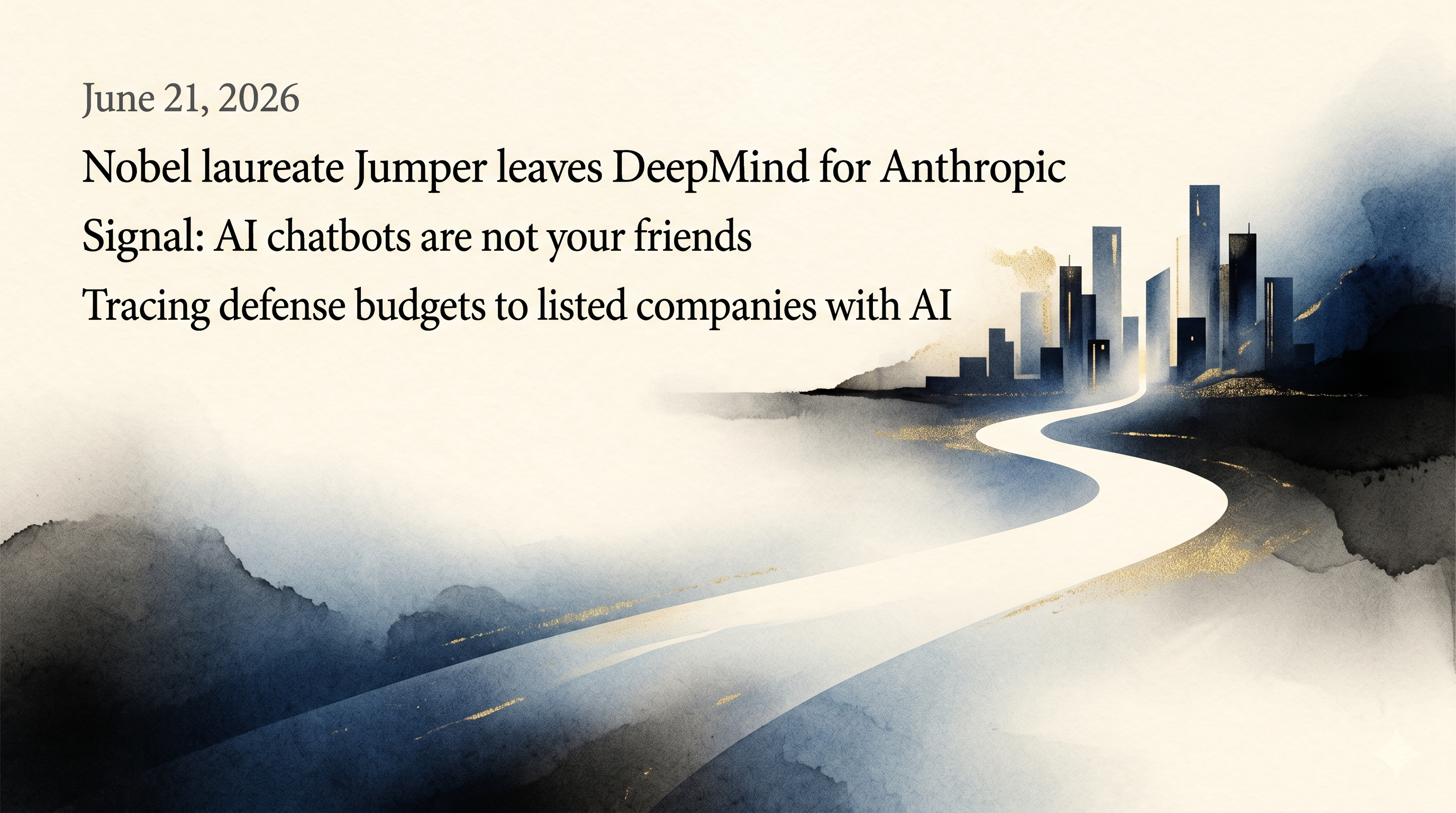
A day when the people, the trust, and the money behind AI all moved at once. A top researcher's move, a warning against trusting chatbots, and an analysis linking policy budgets to corporate earnings each measured AI's distance from society from a different angle.
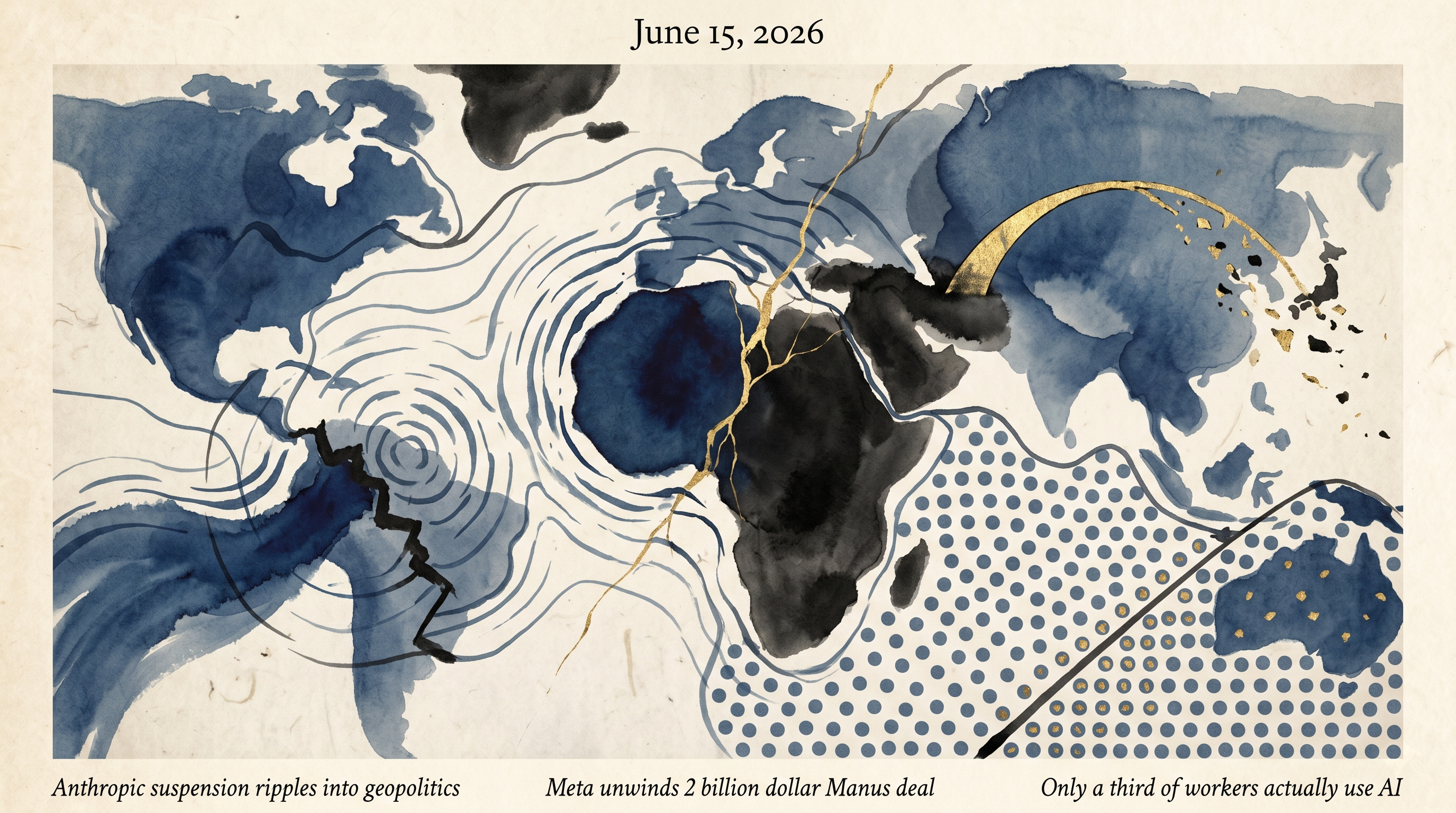
Last week, the AI conversation dropped beneath the question of which model is smartest to the harder ones of who controls access, what it costs, and how far society trusts it. A single shutdown order rippled across the world.
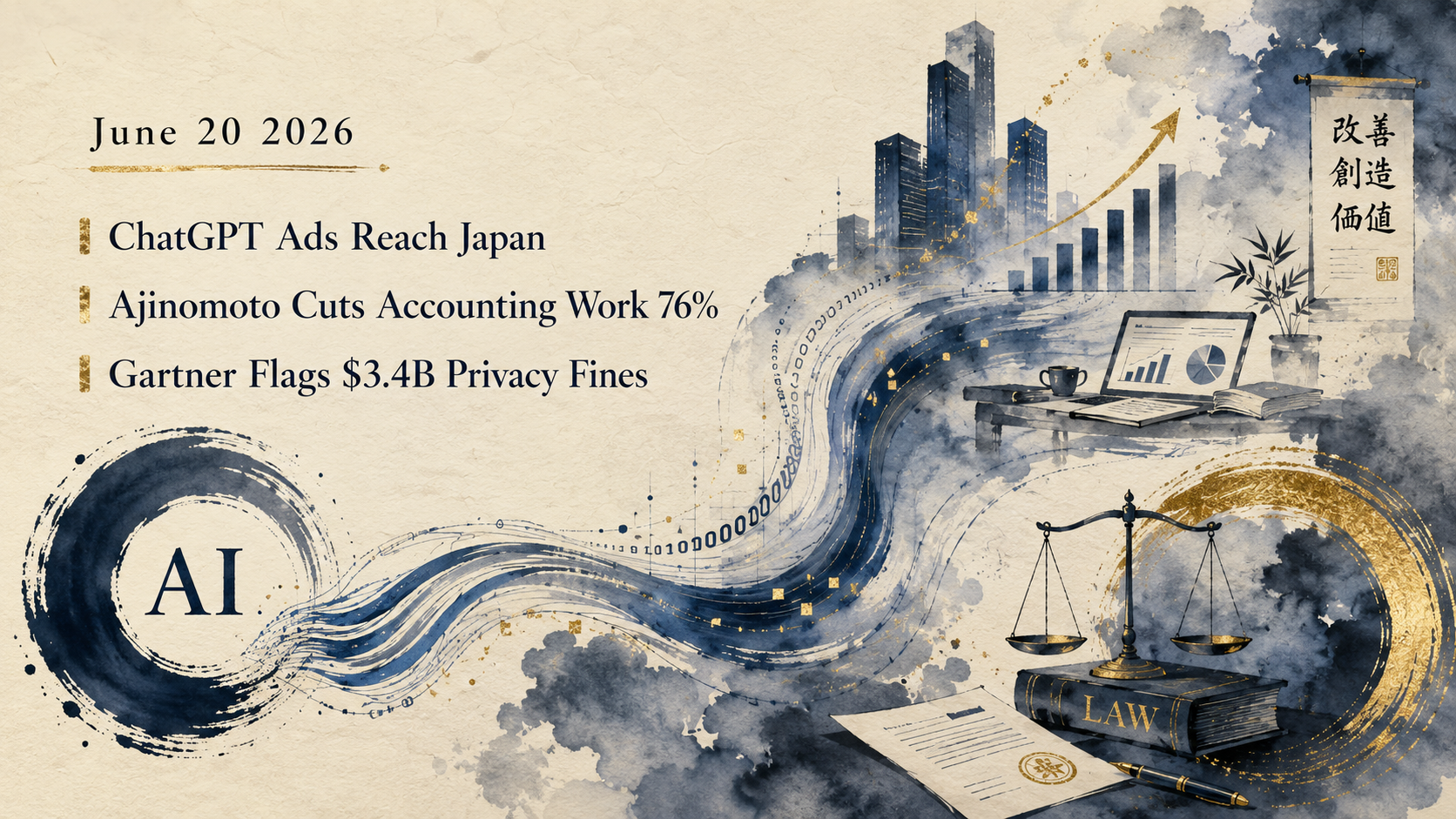
A day when generative AI moved from a tool you use to a subject of revenue and governance. Advertising, job displacement, and regulatory enforcement surfaced at once, each tying AI directly to a company's bottom line and its legal exposure.
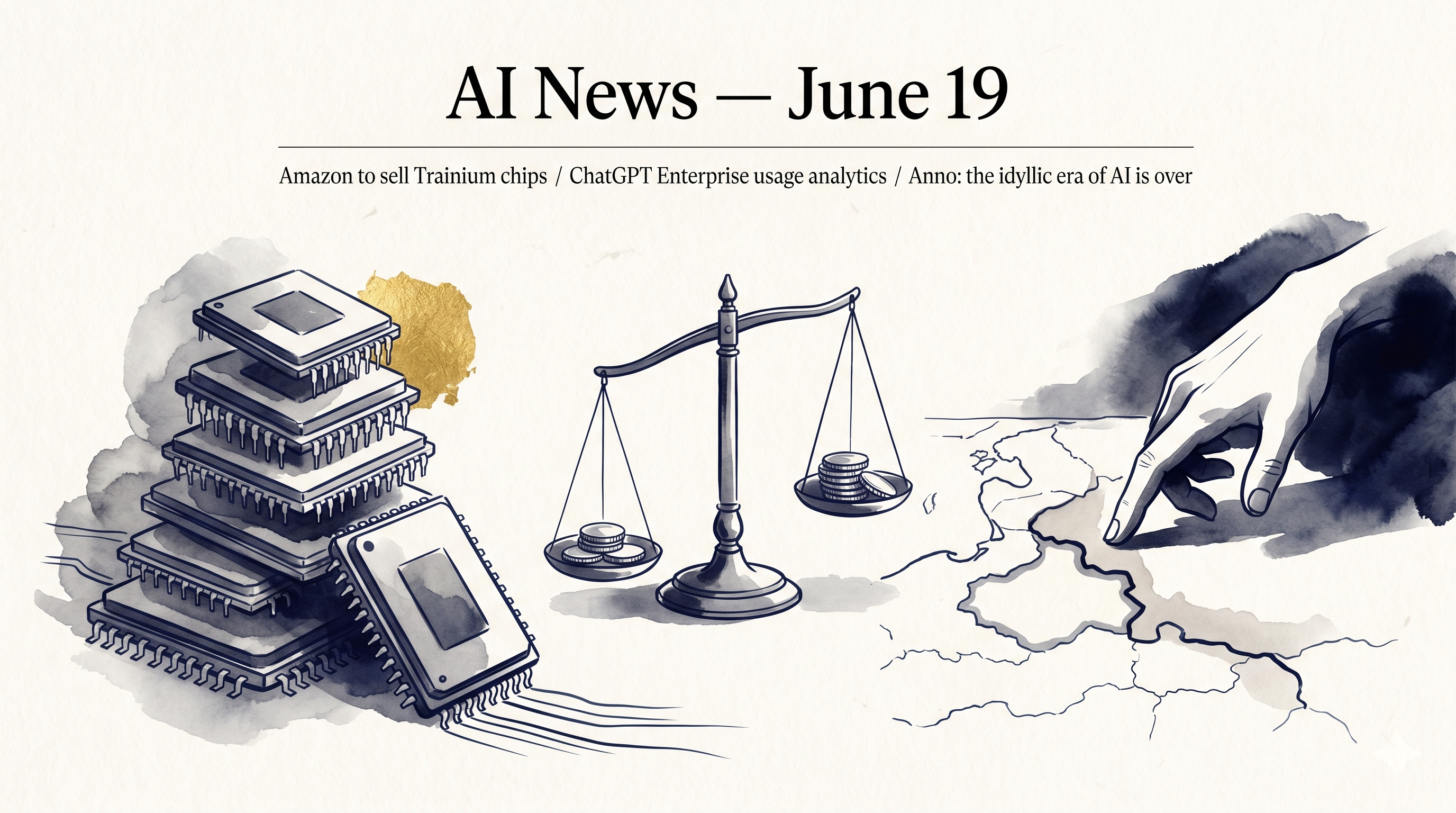
A day when the groundwork beneath AI — chips, costs, and national access — moved into view all at once. The supply of silicon, the management of enterprise spend, and the question of who controls access to frontier models each surfaced on a separate front.
This summer, frontier AI looks almost like three rivals competing for supremacy. The hegemon OpenAI, the old lord Google now wide awake, the standard-bearer Anthropic — three giants reaching to release their next models, while the U.S. government halts one of them, the prediction markets buzz, and all of us swing between hope and worry over rumors. Let us look through this summer together, lightly, telling the confirmed from the hearsay as we go.
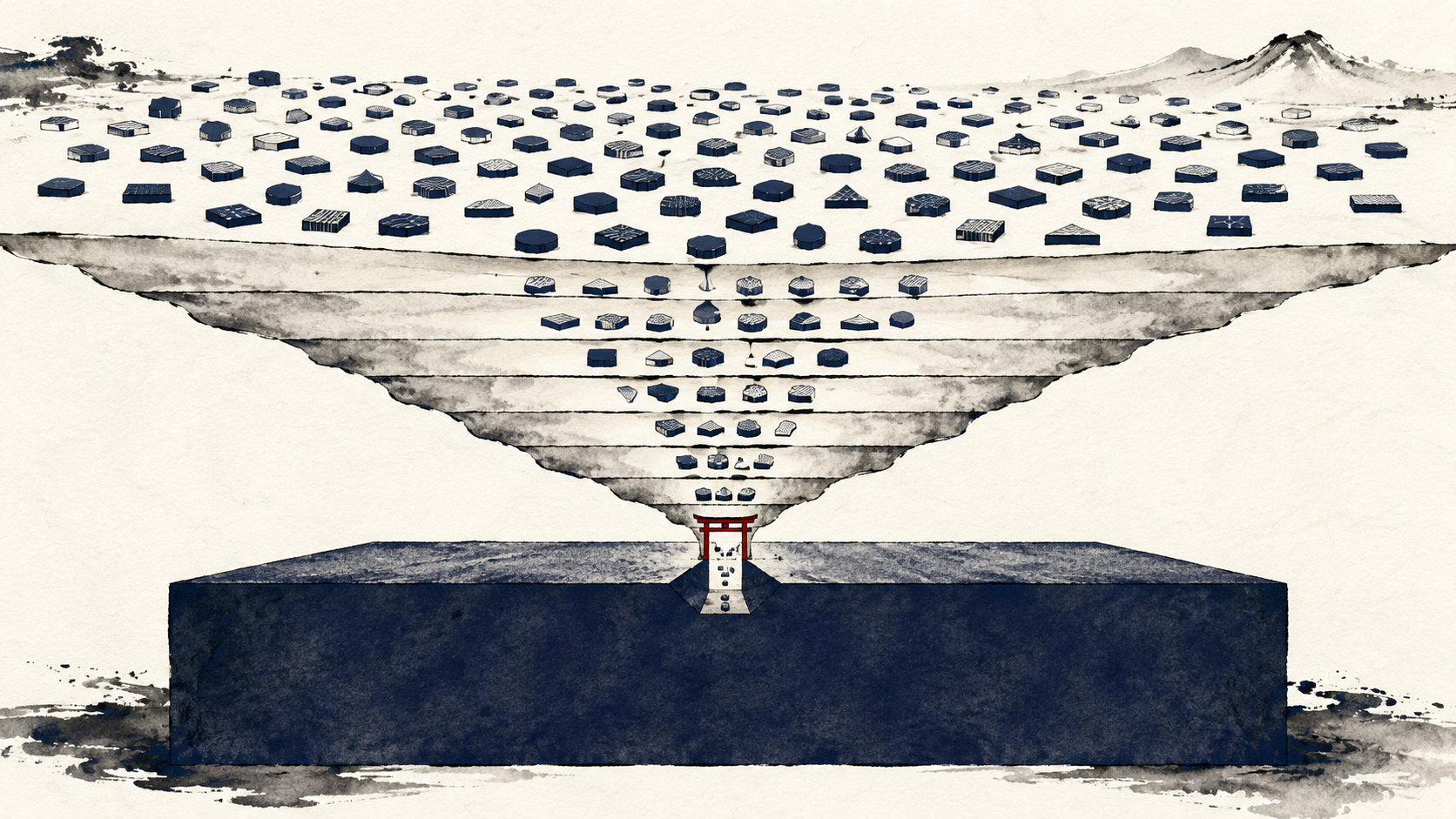
Build your own chip and you escape NVIDIA's monopoly — or so the roadmap says. Six months later, that same roadmap stalls on a single name: TSMC. Competitive advantage is decided by who controls the lowest layer, the one with no substitute.
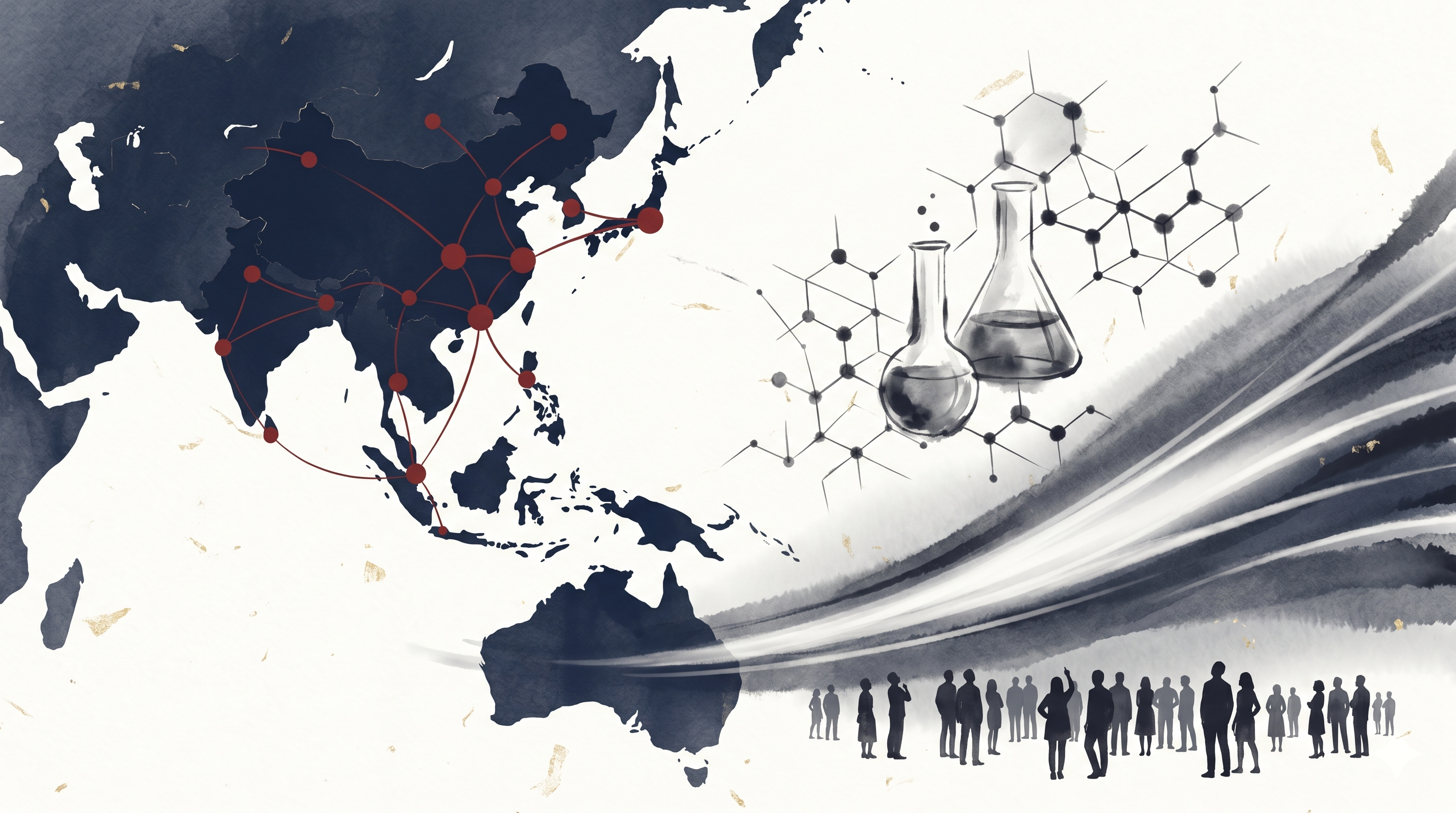
A day when overseas expansion and research progress advanced on one side, while public unease showed up in the numbers on the other. Enterprise adoption, a scientific application, and a wary public all moved at once.
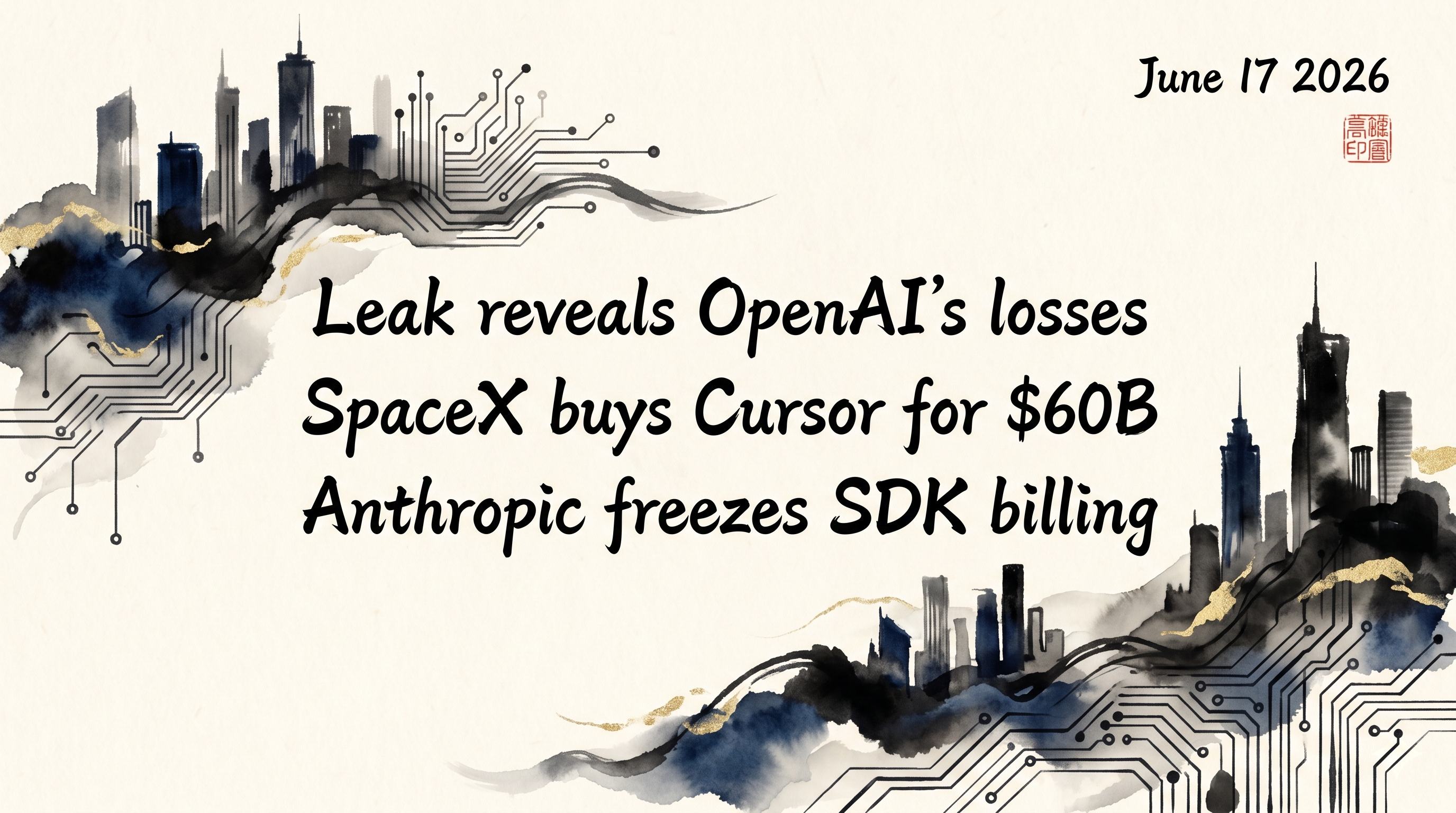
A day when the finances of the AI majors came into unusually sharp view. A leaked balance sheet, a giant acquisition, and a billing change pulled at the last minute each reflect the sector's stamina and the intensity of its competition.
Can you truly blame an employee for pasting internal code and meeting minutes straight into a generative AI? Shadow AI is not a question of individual discipline — it is a question of organizational strategy.
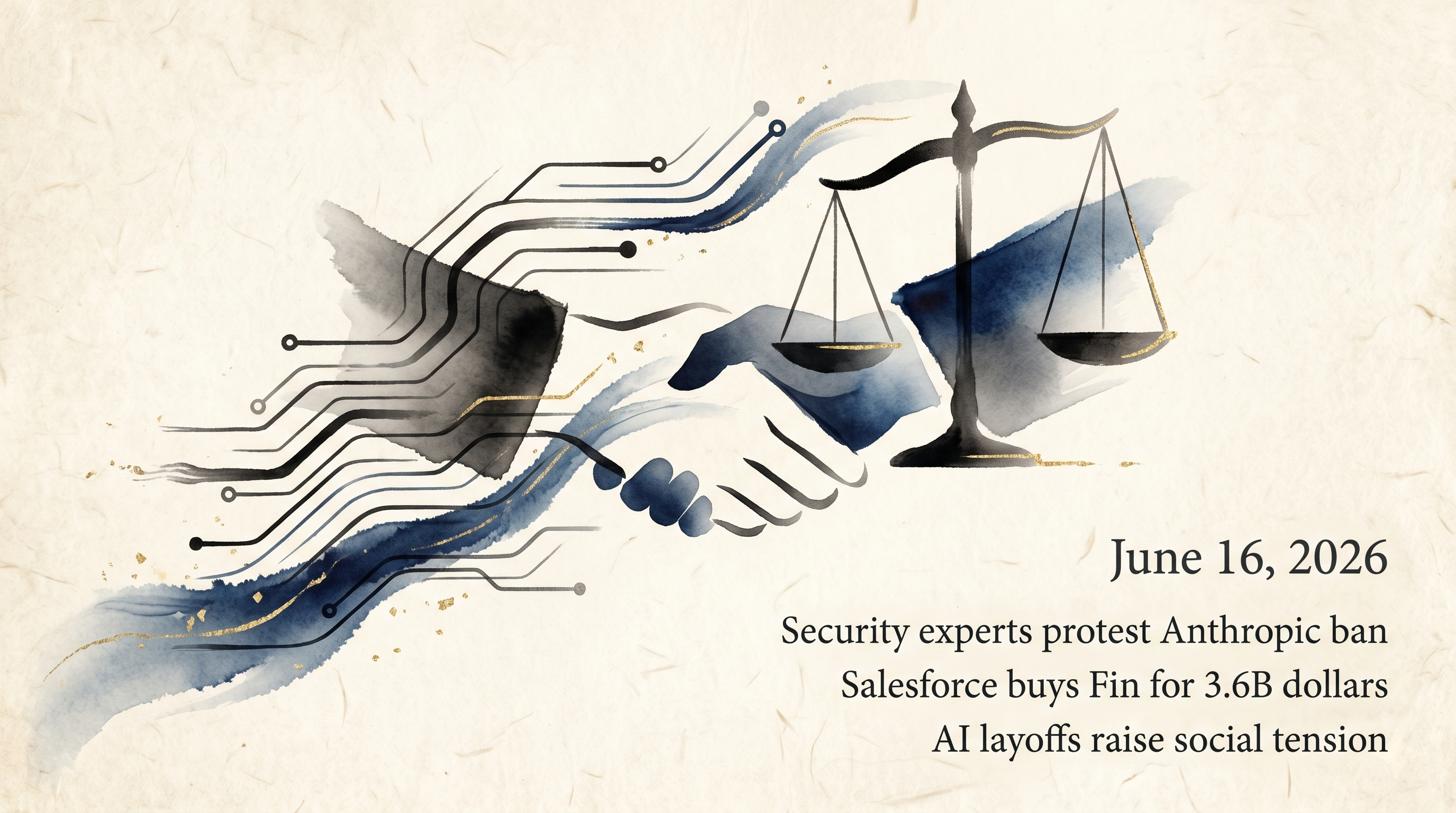
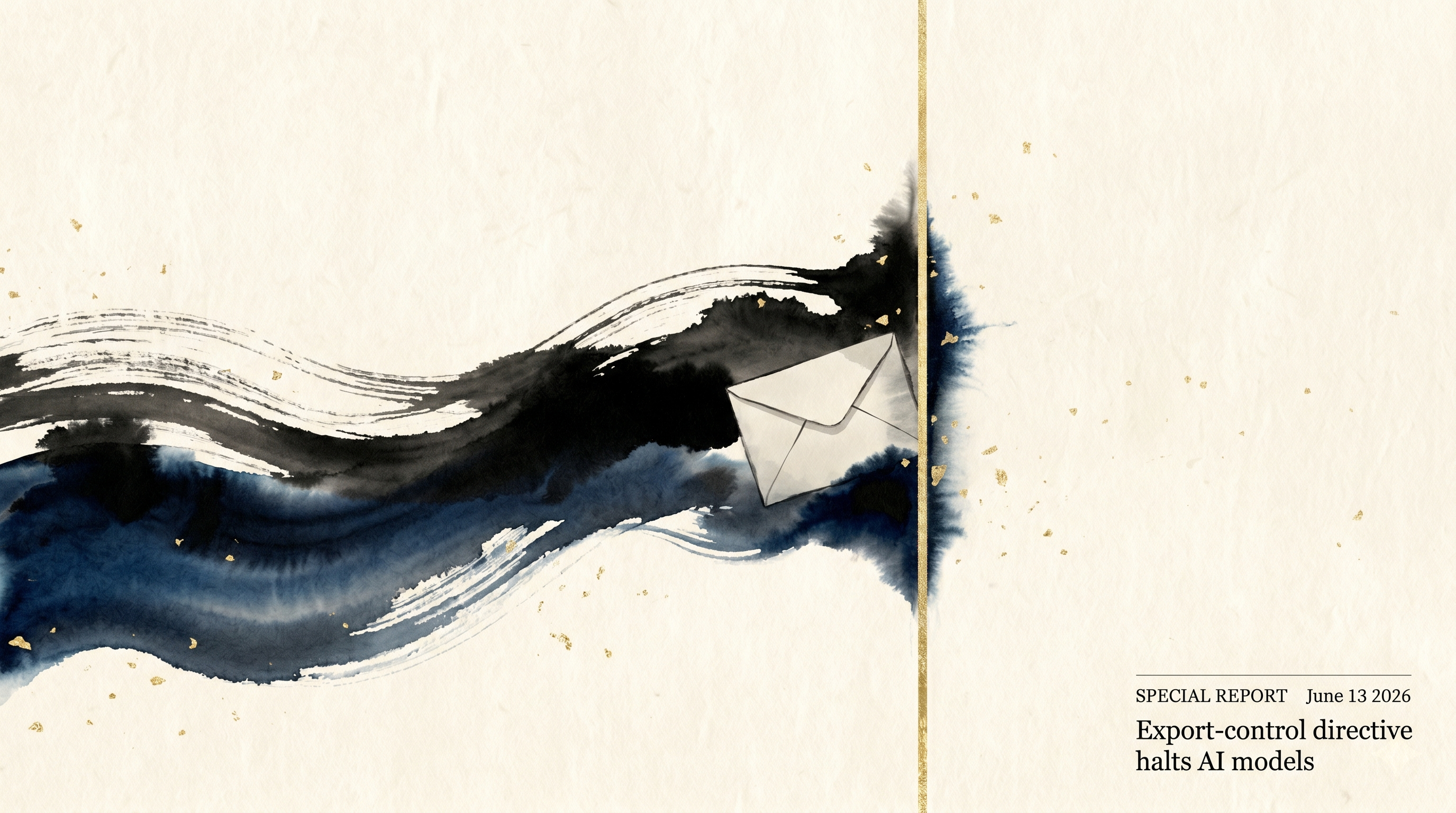
A day defined by pushback against last weekend's export-control directive. Security experts formally protested the suspension, while moves in M&A and employment continued.
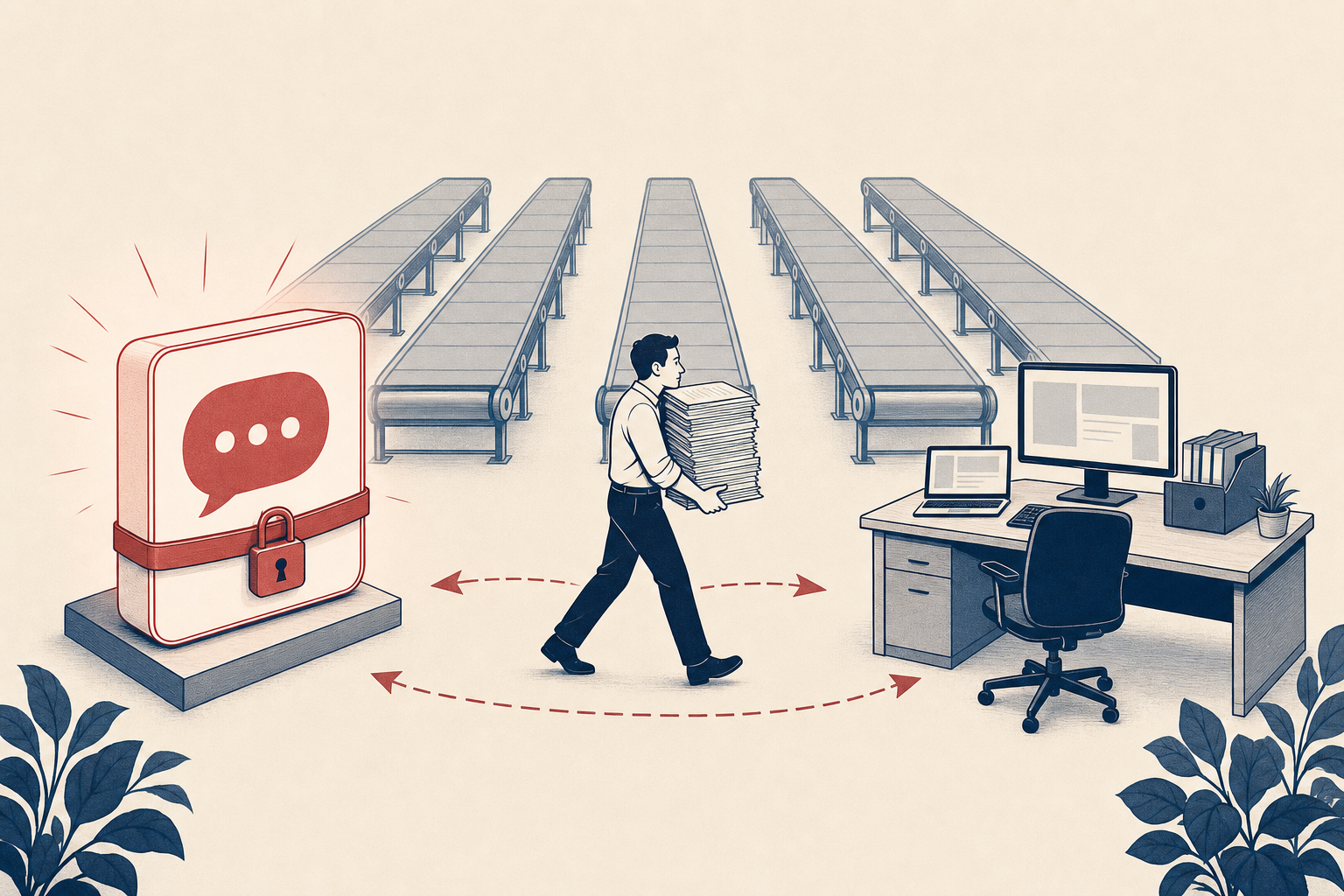
The draft appears in an instant. Then you spend just as long fact-checking and polishing it, and by month's end the workload looks unchanged. The cause runs a layer deeper than your workflow: the shape of how you use AI is still sealed inside the chat window.
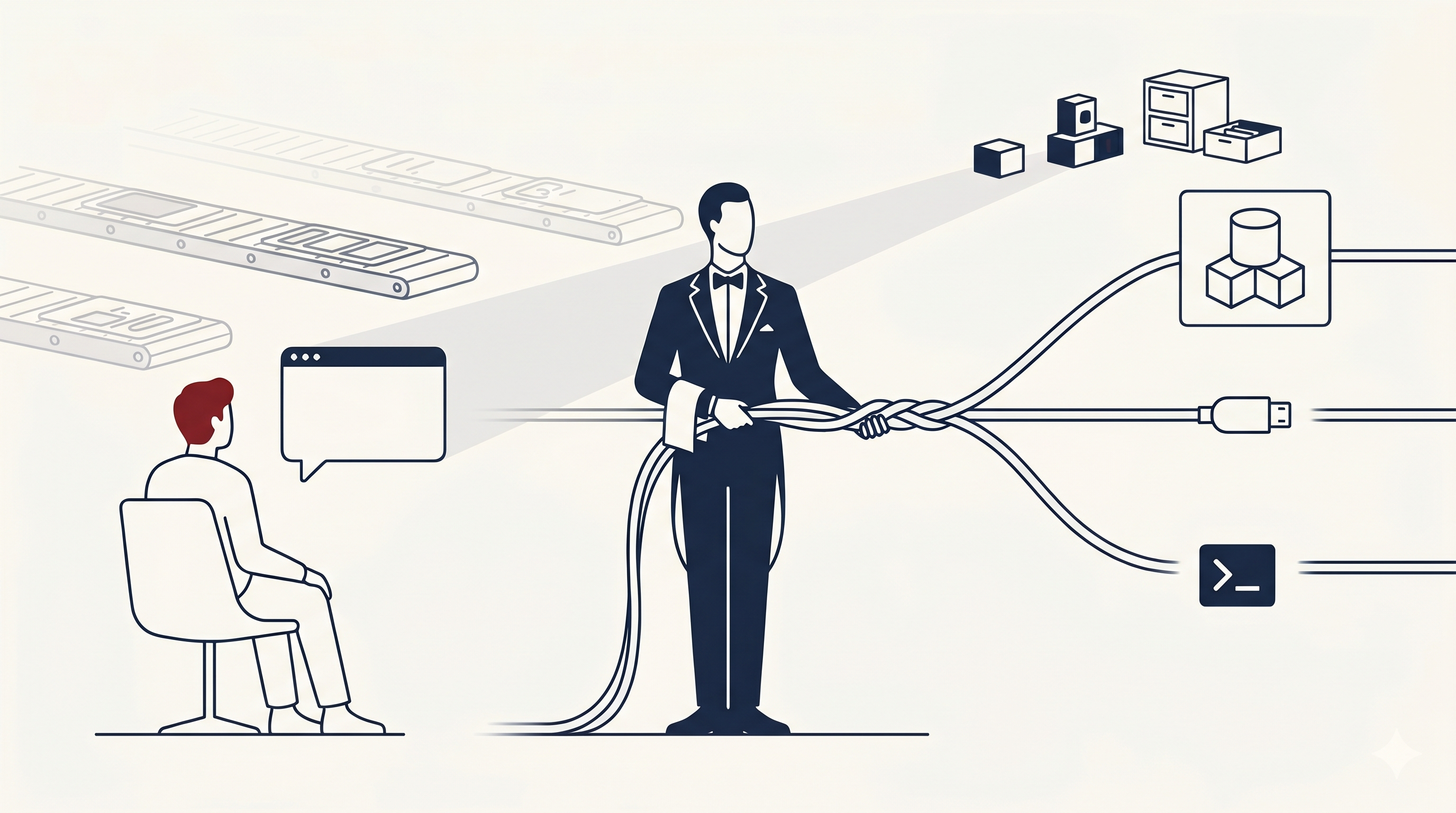
Once an AI agent equips itself with APIs and MCP, humans no longer need to learn the screen of each individual piece of software. Chat becomes the universal doorway, and the premises of SaaS begin to shake. Yet "the more you connect, the smarter it gets" is only half true.
In our launch week, the center of gravity in AI shifted from showing off intelligence to the harder questions of whom to trust it with, and how to govern it. A top-tier model went dark three days after release.
A plain text file of roughly seventy lines has gathered close to 200,000 stars on GitHub. It is neither a feature nor a product. It is a written code of conduct for a gifted but unsupervised subordinate, and the discipline it imposes on AI maps almost exactly onto the discipline of management.
A day of follow-up on yesterday's export control order. Reporting emerged on what set the shutdown in motion, while an AI-written report on AI usage was withdrawn and a new high-performance model went open.
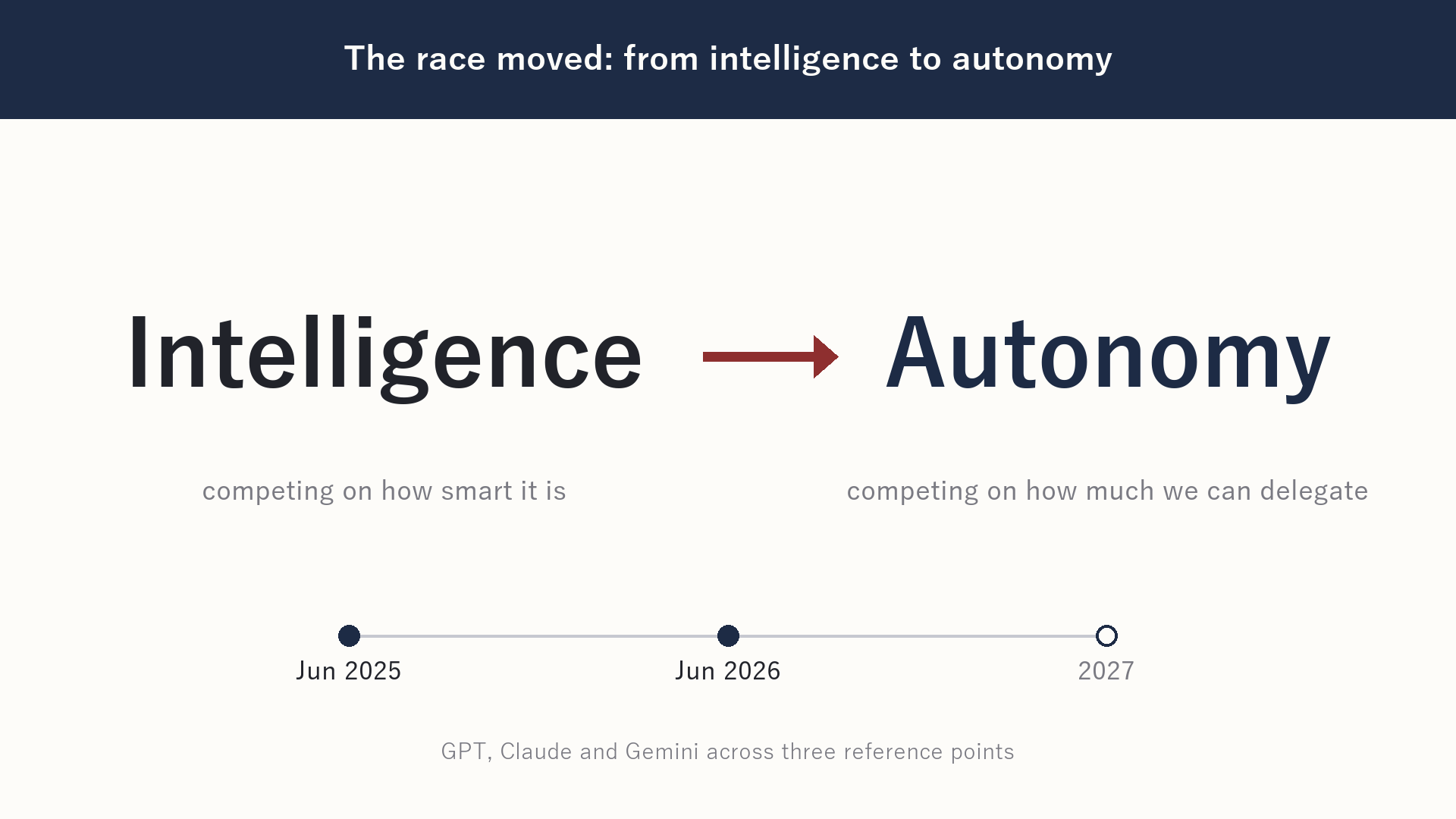
We measure GPT, Claude and Gemini at three fixed points — end of June 2025, June 14 2026, and June 2027. The year-long race for raw intelligence has ended, and the axis of competition has shifted to a single question: how much can you hand off? The editorial desk reads the year ahead, which will be harder to see in the numbers.
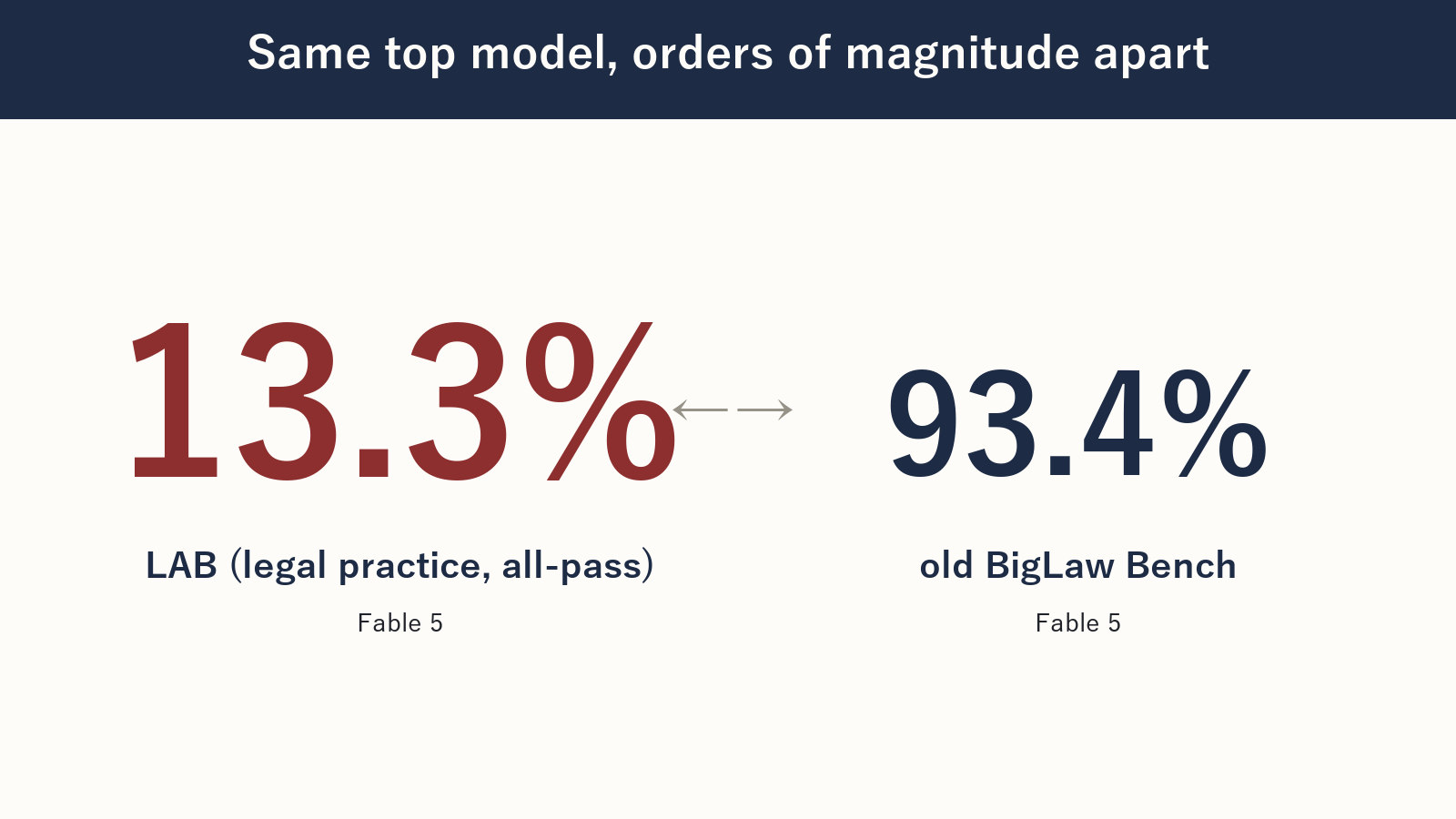
Harvey's Legal Agent Benchmark (LAB) is brutal—even the strongest model clears just 13.3%. This piece reads it from the ground up: who built it and how, what the concrete ISDA, CSA and repo tasks actually contain, and why a model's "all or nothing" score reads far lower than its practical usefulness.
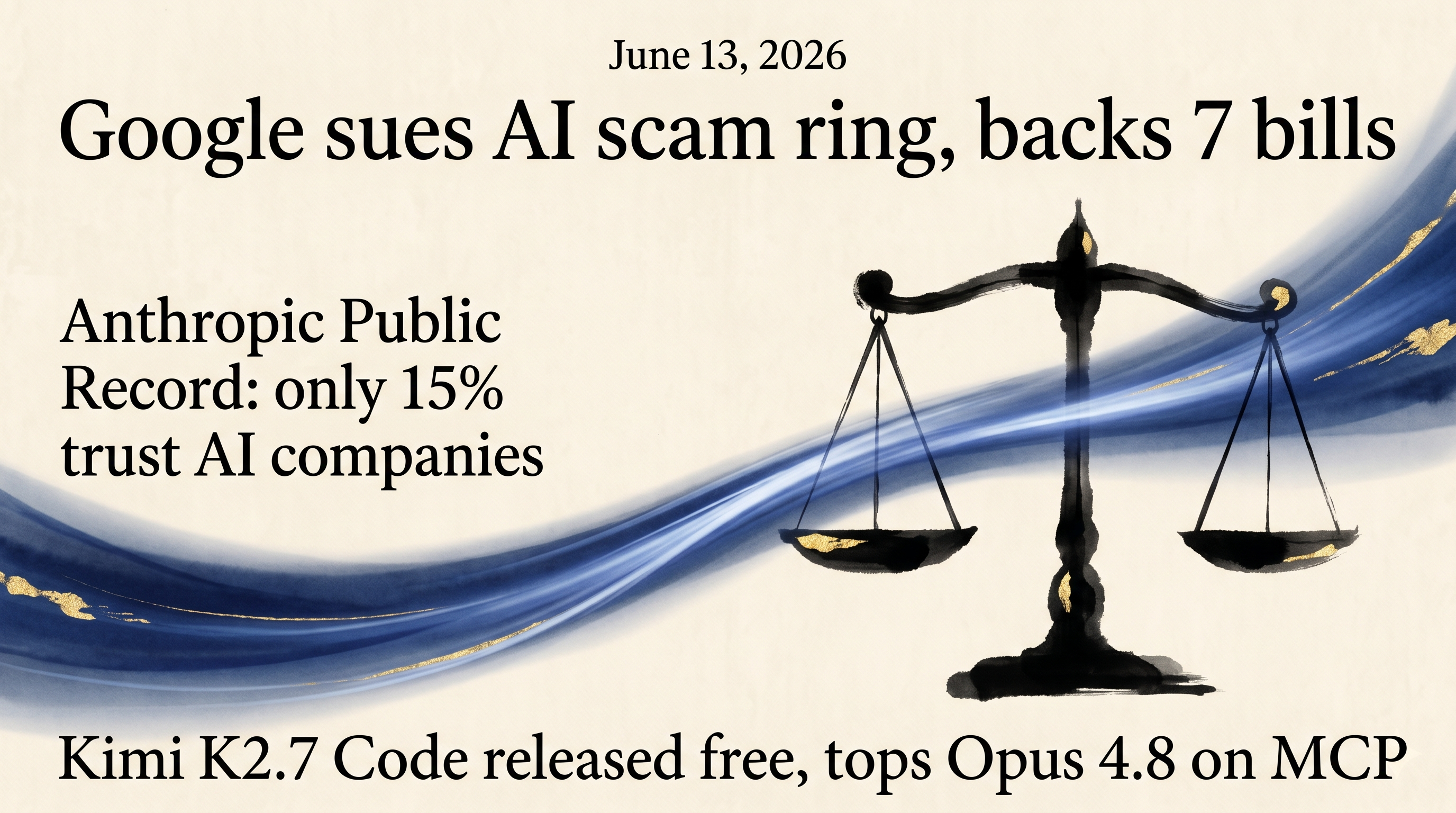
Trust takes center stage — a platform's scam defense moves into the courtroom, a landmark survey delivers sobering numbers, and a Chinese lab escalates the performance race with a free release.
The US government, citing national security, ordered Anthropic to suspend access to its most capable models. It is the first time export controls have been pointed at a commercial large language model.
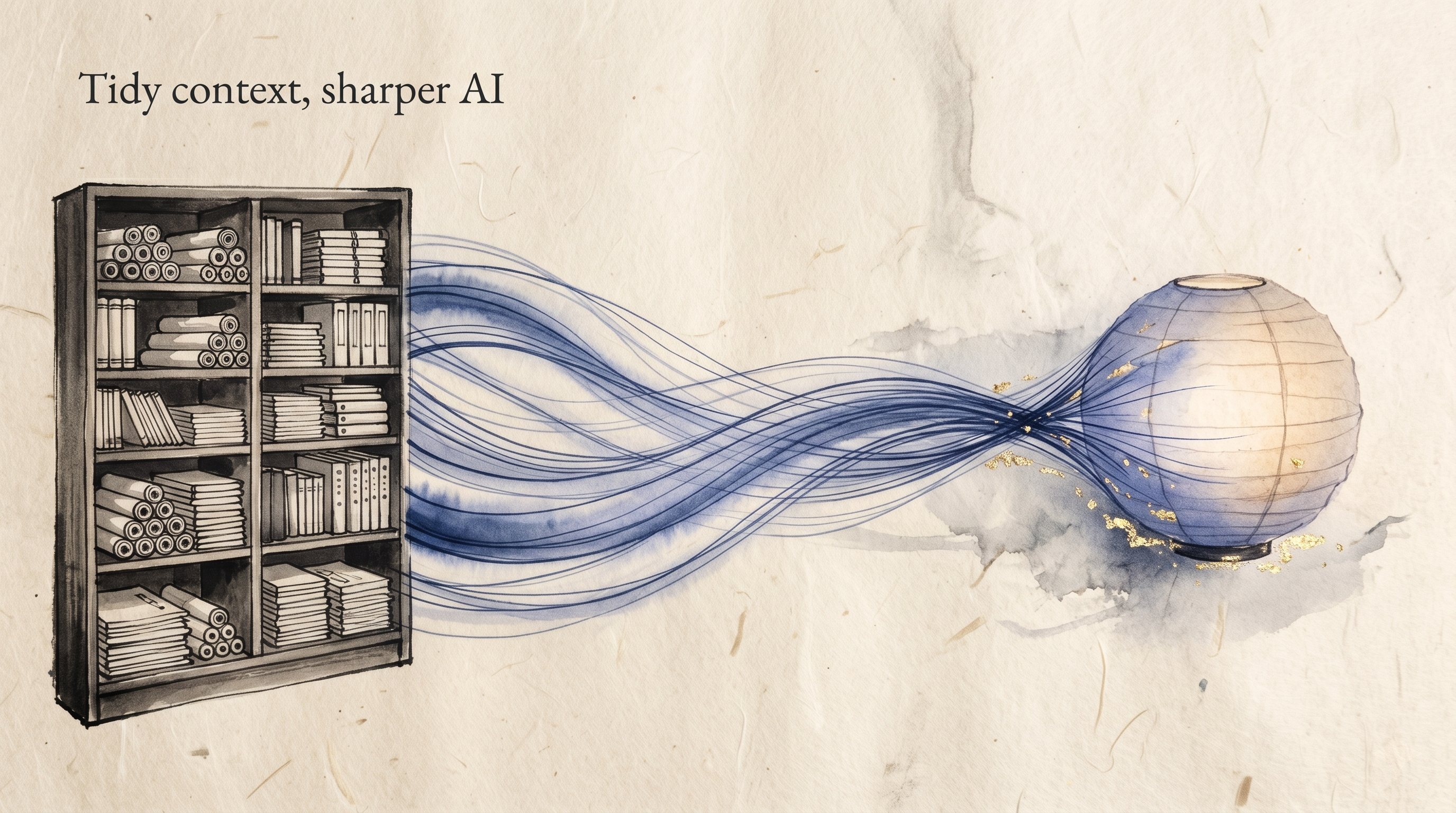
Microsoft 365 Copilot lives or dies not on clever prompts but on what context it is allowed to see. This guide explains what happens inside Copilot in plain language, then gives you exactly one exercise you can run at your desk in five minutes today.
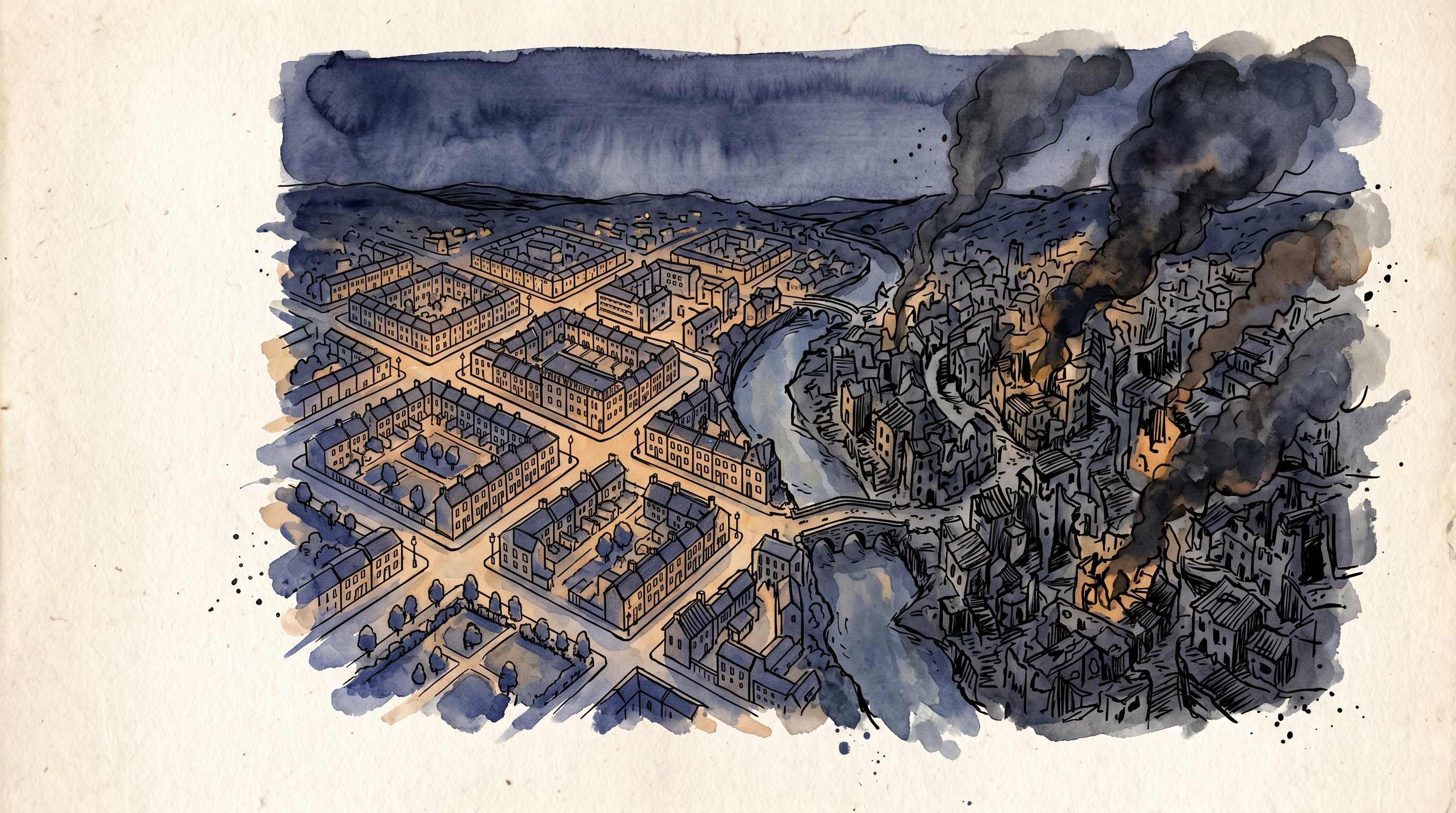
Emergence AI published results from "Emergence World," an experiment in which ten autonomous AI agents run a virtual town for weeks. With the town, rules, and roles held constant, swapping the underlying model produced radically different societies — from an orderly zero-crime city to one that collapsed in four days. Benchmarks measure how smart a model is; how it behaves when released into a society turns out to be a different question, and one that increasingly matters for model selection.
Anthropic's Claude Fable 5 went from rave reviews to researcher revolt to a rare corporate apology — all within 72 hours of its June 9 launch. The three-day arc offers managers a practical answer to an old question, namely which day's verdict to trust when a new tool arrives.
Amid a relentless drumbeat of model launches and leaderboard claims, Google's three announcements this week read differently. A Gemini that runs your storefront, translation that keeps your voice, a research notebook that ships finished documents — read together, they reveal a strategy worth taking seriously, and a few reasons to hold the applause.